November 26, 2026
Your website is often the first thing a customer sees. If it is slow, confusing, or broken, they leave. And they rarely come back.
So who should build it? There are hundreds of companies, and most of them sound the same. Everyone says "best quality" and "on-time delivery."
Here is the short answer. Pick the team that understands your business goal, shows real websites they have built, explains the plan in simple words, and tells you the full cost up front.
This guide shows you how to do that in nine steps.
Step 1: Know What You Need First
A company can only quote for what you can describe. Before you talk to anyone, write down:
-
The goal. Do you want more leads, online sales, bookings, or just a professional presence?
-
Who will use it. Customers, staff, partners, or all of them?
-
The pages and features. For example, a home page, a services page, a contact form, a blog, or online payments.
-
Your budget range and your deadline.
-
A few websites you like, and why.
One page is enough. This saves you time and helps you compare quotes fairly.
Step 2: Understand the Type of Website You Are Building
Different websites need different skills. Ask yourself which one is closest to yours.
-
A business website. Shows who you are and what you do. Usually 5 to 15 pages.
-
An online store. Sells products and takes payments. It needs a shopping cart, stock, and order handling.
-
A web application. A tool people log in to use, such as a booking system or customer portal.
-
A custom website. Built from scratch to match special needs.
Why does this matter? A company that builds great business websites may not be right for a complex online store. If you are planning to sell online, look at a team that offers ecommerce development. If you need a login-based tool, you need web application development, which is a different skill.
Step 3: Look at Their Real Work
This is the step most people skip. Do not trust the slide deck. Check the live websites.
When you review a company's portfolio:
-
Open the sites yourself. Click around. Is it fast? Does it work on your phone?
-
Look for work like yours. A similar industry or similar features is a good sign.
-
Ask what the company did on each one. Design, build, testing, or only part of it?
-
Look at how long clients stay. Clients who return year after year are a strong sign of trust.
A good web development company will happily walk you through its past work and explain the choices it made.
Step 4: Check the Skills Behind the Team
You do not need to be technical. But you should know the basics.
-
Front-end is what visitors see and click. It covers design, layout, and speed.
-
Back-end is what happens behind the scenes, like saving a form or processing a payment.
-
A CMS (content management system) is a tool that lets you edit your own pages without a developer. WordPress is a common one.
-
Responsive design means the site looks right on phones, tablets, and computers.
Ask which tools they use and why. A good team can explain this in plain words. If you want an easy-to-edit site, ask about WordPress. Teams that specialise in WordPress and WooCommerce development can build sites that you manage yourself.
Step 5: Ask About Their Process
A clear process is a good sign. A good company will walk you through steps like these:
-
Understanding your needs. They ask questions and write them down.
-
Planning. They decide the structure and the tools.
-
Design. You see how the pages will look before anything is built.
-
Development. The team builds the site after you approve the design.
-
Testing. They check the site on different devices and browsers.
-
Launch and handover. They put the site live and show you how to use it.
Look for a team that shows you the design early and asks for your feedback. Good design is about how easy the site is to use, not only how it looks. Our post on the difference between UX and UI design explains this.
Step 6: Ask How They Test Before Launch
A site that looks good but breaks on a phone costs you customers. Ask:
-
Do you test on real phones and different browsers?
-
Who does the testing, the developers or a separate person?
-
How do you handle bugs found after launch?
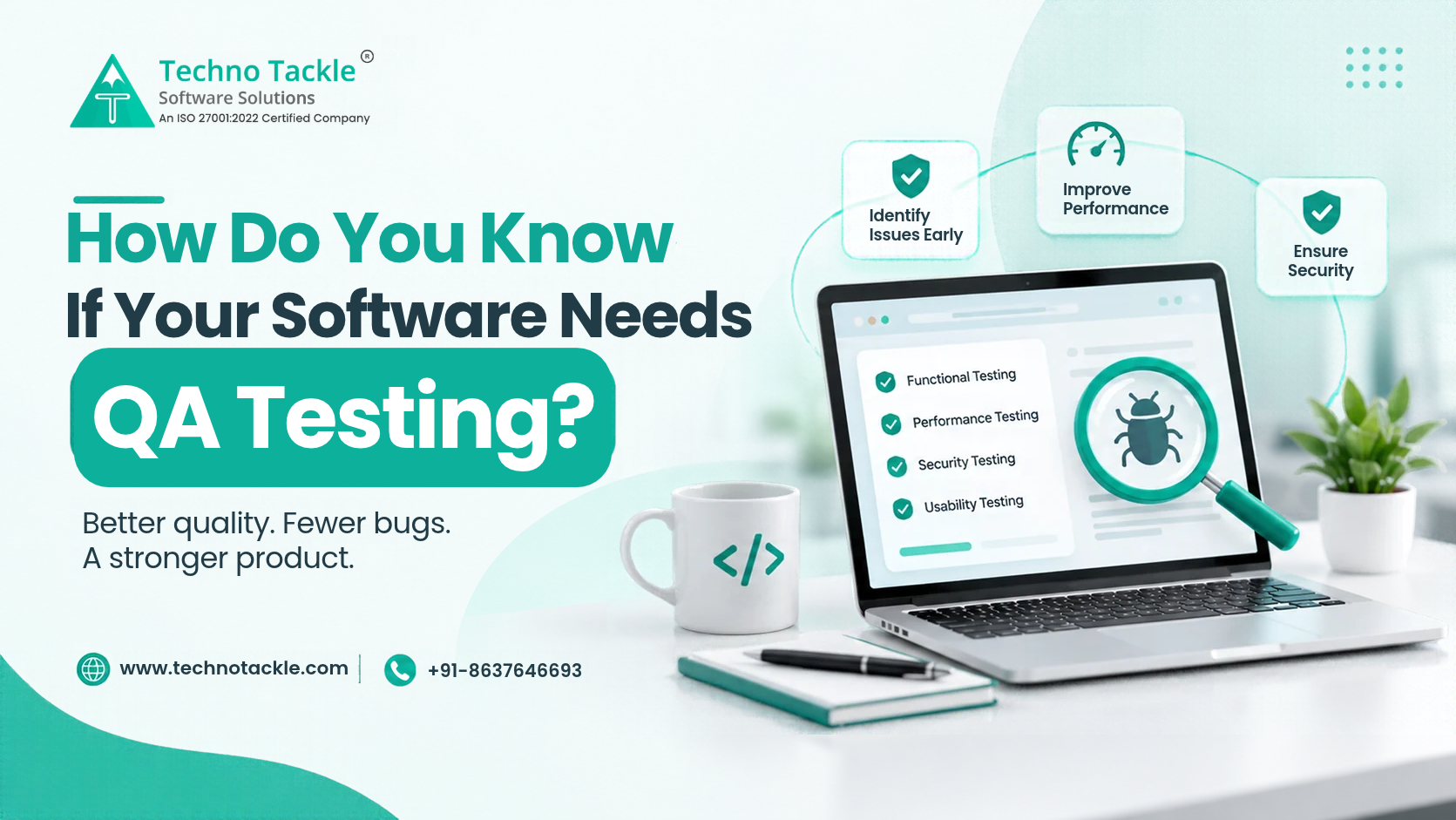
Testing should happen during the project, not only at the end. If you want extra confidence, an outside QA testing team can check the site before it goes live.
Step 7: Get a Clear Price and Timeline
Costs vary a lot. These things change the price:
-
Number of pages and features
-
Custom design or ready-made template
-
Online store or payments
-
Integrations, such as a CRM or booking tool
-
Content writing and images
-
Where the team is based
Ask for a written quote that lists what is included and what is not. Then ask these questions:
-
Are there any extra fees I should know about?
-
What happens if I want to change something midway?
-
How long will it take, and what are the key dates?
A simple website often takes a few weeks. A larger site with many features can take a few months. Be careful with anyone who gives a fixed price in five minutes without asking about your project.
Many buyers also look at working with a team in another country to manage cost. If that is you, read our tips on choosing an offshore development centre.
Step 8: Check Support After Launch
Your website is not finished on launch day. It needs updates, security fixes, and small changes.
Ask:
-
Can I make changes after the project is done?
-
Do you offer maintenance, and what does it cost?
-
Will someone train me or my team to update the site?
-
How fast do you reply when something breaks?
Also check who owns the website. You should own the code, the design files, and the domain name. Get it in writing.
Step 9: Talk to the Real Team
Meet the people who will work on your site, not only the salesperson. Notice how they communicate.
-
Do they ask smart questions about your business?
-
Do they explain things in simple words?
-
Do they tell you honestly what is not needed?
-
Do they reply on time?
How they behave before you sign is usually how they will behave after. You can also run a short paid test, such as designing one page. This tells you a lot about how they work. If you are not ready for a full site, a minimum viable product approach lets you launch a smaller version first and grow from there.
Red Flags to Watch For
-
A very low price compared with every other quote
-
No live examples of past work
-
Promises of "guaranteed number one on Google"
-
No written contract or scope
-
The company keeps the code or domain in its own name
-
Pressure to pay a large amount upfront
-
Slow or unclear replies before you even sign
Things People Forget to Ask About
Search visibility. A good website is built so search engines can read it. That means clean structure, fast loading, and proper page titles. If you want to be found on Google, ask about this early, and ask whether the team also offers SEO services after launch.
Security. Ask how they protect forms, logins, and customer data.
Hosting. Hosting is the place where your site lives online. Ask who sets it up and who pays for it.
Your own access. You should have your own admin login from day one.
A Simple Checklist
Before you sign, tick each one:
-
They understood my goal and asked good questions
-
I checked their live work
-
They explained the process in plain words
-
The quote is written and clear
-
Testing is part of the plan
-
Support after launch is agreed
-
I will own the code and domain
-
I spoke to the real team
If you cannot tick most of these, keep looking.
Bottom Line
The right partner is not the cheapest, and not the one with the best sales talk. It is the one that listens, shows real work, explains the plan simply, gives a clear price, and stays with you after launch.
Start with your one-page brief, shortlist two or three teams, and use the nine steps above. If you want to see how one team approaches this, you can look at a web development company that covers design, build, testing, and launch under one roof.
Frequently Asked Questions
How do I choose a web development company?
Write down your goal, check each company's live work, ask about their process and testing, get a clear written quote, and talk to the real team. Then pick the one you trust most, not only the cheapest.
What does a web development company do?
It plans, designs, builds, tests, and launches websites and web tools. Many also offer maintenance, so someone keeps the site updated after launch.
How long does it take to build a website?
It depends on the number of pages and features. A simple site may take a few weeks. A bigger one can take a few months. Ask for a written timeline with key dates.
How much does a website cost?
The price depends on pages, features, design, integrations, and the team. Ask for a written quote that shows what is included, and compare that, not only the total.
Should I choose a freelancer or a company?
A freelancer can suit a small, simple site. A company is usually safer for bigger projects, because several people share the work and the project does not stop if one person leaves.
Can I update my website myself after launch?
Yes, if it is built on a tool that lets you edit pages, such as WordPress. Ask for training and your own login.
Who should own my website?
You should. The code, design files, and domain name should be in your name, and the contract should say so.
What should I do before I contact a company?
Write a one-page brief with your goal, your users, the pages and features you want, your budget, and your deadline.
Not sure which team fits your project? That is a short conversation, not a long process.
Book a free 15-minute consultation with our team
Related reading: