Business Staff augmentation developers collaborating with an AI-assisted development team to integrate augmented developers into a modern software development workflow

August 2, 2024

How to Integrate Augmented Developers into Your Development Team (2026 Guide)

Growing your engineering capacity without the cost and delay of full-time hiring is one of the biggest operational challenges for technology businesses in 2026. Development team augmentation solves this , but only when the integration is handled correctly.

This guide covers exactly how businesses integrate augmented developers into their internal teams: the steps that work, the IT staff augmentation challenges that derail most engagements, and the metrics that tell you whether it is working.


What Is Development Team Augmentation?

Development team augmentation is a staffing model where external developers join your existing engineering team and work under your processes, tools, and management , rather than operating as a separate outsourced unit.

The short answer: You bring skilled developers in. They work like your employees. You keep full control.

Unlike outsourcing, where you hand a project to an external team and wait for deliverables, augmented developers attend your standups, commit to your repositories, work within your sprint cycles, and report to your internal leads. The relationship is collaborative, not transactional.


When businesses choose development team augmentation:

  • They need a specific skill set (React, DevOps, ML engineering, QA automation) faster than a full-time hire can be sourced

  • The existing team is at capacity during a product launch or deadline sprint

  • A project requires temporary senior-level expertise without a permanent salary commitment

  • They want to scale engineering headcount up or down with business demand

The global IT staff augmentation market was valued at $132 billion in 2023 and is forecast to exceed $200 billion by 2028, driven by the speed-to-hire advantage it gives businesses over traditional recruitment.


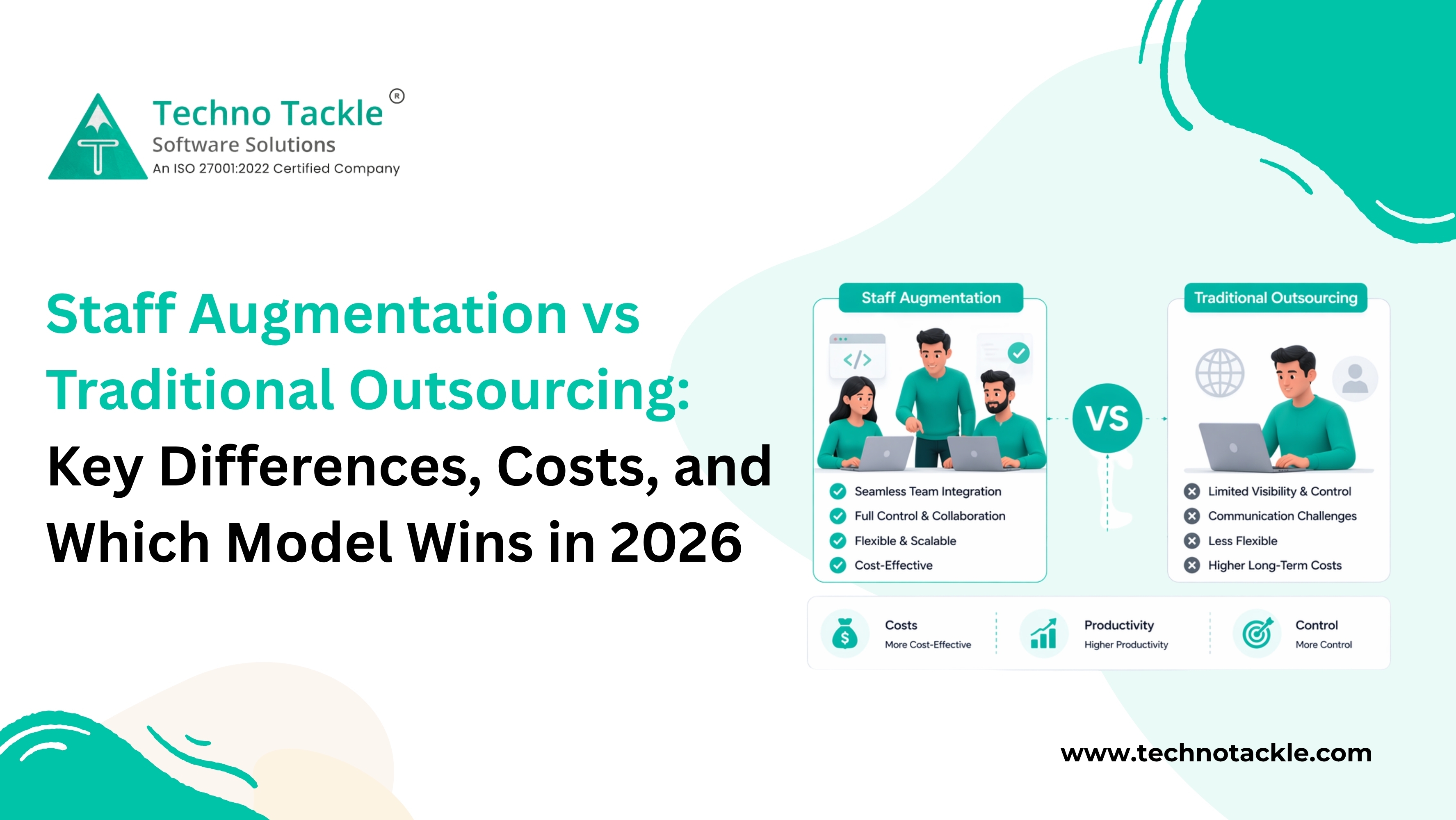
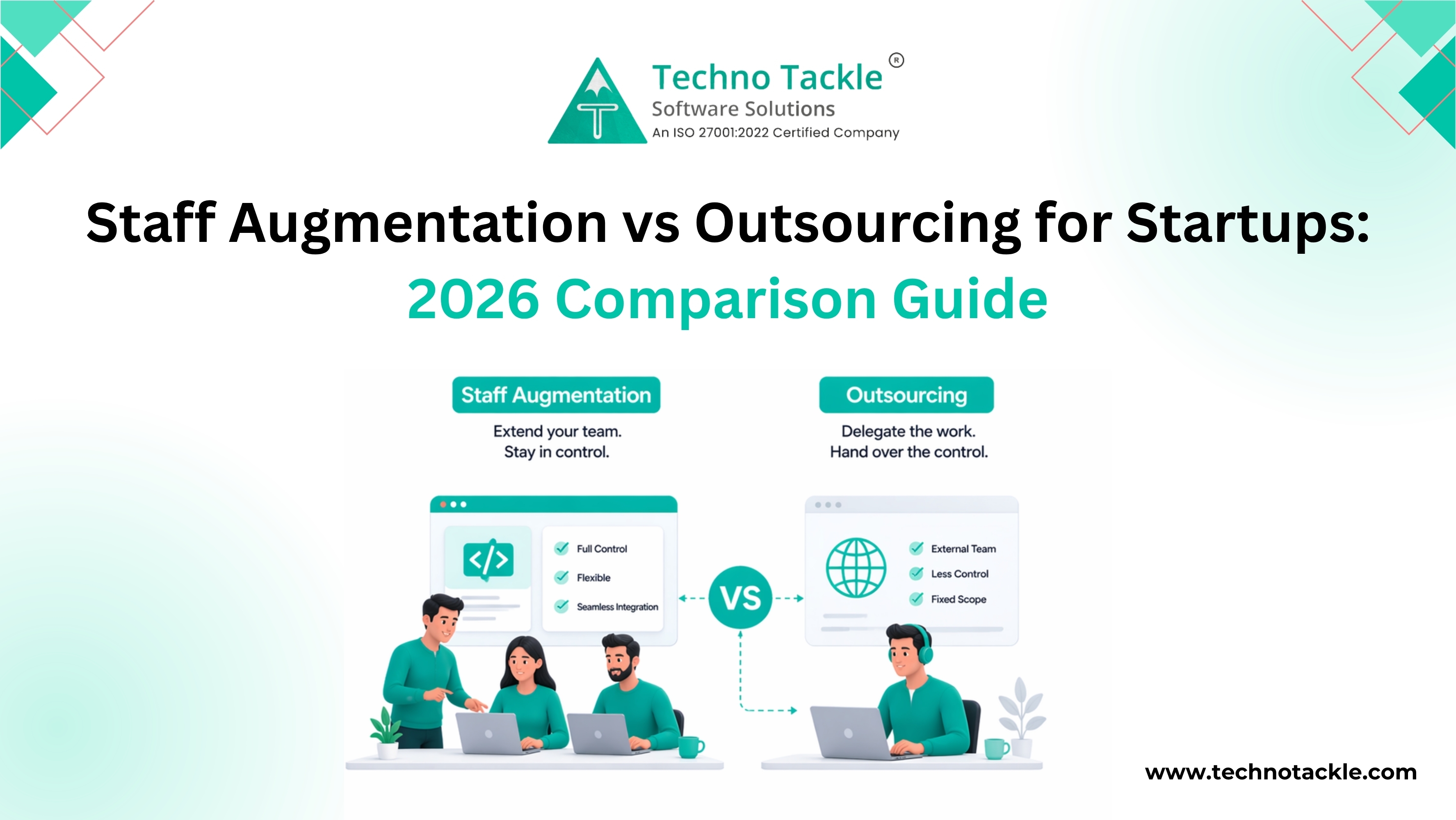
Staff Augmentation vs Outsourcing vs Full-Time Hiring: What Actually Works?

Before committing to a model, businesses need to understand where each approach delivers , and where it breaks down.


Development Team Augmentation 

Outsourcing

Full-Time Hire

Control over day-to-day work     

Full

Limited

Full

Speed to start

1–2 weeks

2–4 weeks

2–4 months

Cost

Medium

Low–Medium

High

IP and code ownership

Yours

Negotiated

Yours

Team culture integration

High

Low

High

Best for

Ongoing sprints, scale-up

Fixed-scope projects

Long-term roles


The verdict: For businesses that need developers to work within existing Agile teams on continuous delivery, augmentation outperforms outsourcing. For self-contained projects with clear deliverables, outsourcing may suit better. For roles that require deep institutional knowledge over years, full-time hiring wins.


How Businesses Integrate Augmented Developers into Internal Teams

This is the section that separates engagements that deliver from those that disappoint. Integration is not automatic , it is a managed process that starts before the developer joins and continues through their first 90 days.


Step 1: Define Roles and Responsibilities Before Day One

The most common reason augmented developers underperform is ambiguity. They join a team without a clear answer to who they report to, what they own, and where their decision-making authority ends.


Before onboarding, document and communicate:

  • Who is the single internal point of contact (not the whole leadership team)

  • What specific modules, features, or sprint tickets they are responsible for

  • What they are explicitly not responsible for, so there is no stepping on internal team toes

  • When they can act independently versus when they need sign-off

  • How their work will be reviewed and by whom

This clarity removes the first two weeks of political navigation and lets the developer contribute immediately.


Step 2: Onboard Augmented Developers Like Full-Time Hires , Not Contractors

The fastest way to destroy the value of development team augmentation is to treat augmented developers as external vendors. When developers feel like outsiders, they act like outsiders , minimal initiative, minimal ownership, minimal communication.


A structured onboarding for augmented developers includes:

  • Access to all required tools on day one: Jira, GitHub, Slack, Confluence, CI/CD pipelines

  • A recorded walkthrough of the codebase architecture , do not expect a new developer to reverse-engineer months of decisions alone

  • A 15-minute team introduction call , this single step measurably improves early collaboration quality

  • A written 30-day ramp plan with milestones at week 1, week 2, and week 4

Businesses that run structured onboarding for augmented developers report 40% faster time-to-first-contribution compared to those that hand over repository access and expect developers to figure it out.


Step 3: Build Communication Structures Into the Process

Augmented developers often work across time zones, cultural communication styles, and without the informal conversations that naturally fill gaps in co-located teams. Left unstructured, communication gaps compound into missed deadlines and duplicated work.


Communication structures that consistently work:

  • A daily async check-in via Slack: what was done yesterday, what is being worked on today, any blockers

  • A weekly 1:1 between the augmented developer and their internal lead , not a status meeting, but a conversation about how the integration is going

  • Full participation in sprint ceremonies: planning, review, and retrospective , not just receiving assigned tickets

  • A documented escalation path so the developer knows exactly who to contact when blocked, rather than waiting

On time zones: A minimum 3-hour daily overlap window is required for effective collaboration. If your team is in the UK and your augmented developer is in India, 2pm IST / 9:30am UK gives a workable morning overlap. Anything less than 2 hours of overlap turns async communication into 24-hour email cycles.


Step 4: Transfer Knowledge Actively , Do Not Assume It Happens Naturally

One of the hidden costs of development team augmentation is tribal knowledge: the architectural decisions, client context, and workflow conventions that live in your internal team's heads and nowhere else. Augmented developers cannot access this intuitively, and gaps in context cause real delays.


Practical knowledge transfer methods:

  • Record short Loom or Zoom walkthroughs of architecture decisions and key processes , reusable and faster than explaining the same thing repeatedly

  • Maintain a living internal wiki (Confluence, Notion, or similar) that augmented developers are expected to contribute to , their outsider perspective frequently catches documentation gaps that internal teams overlook

  • Run pair programming sessions in the first two weeks , not to supervise, but to transfer context in both directions

  • Use code review as a knowledge transfer tool: explain the why behind feedback, not just the what


Step 5: Measure Integration With Metrics, Not Assumptions

"It seems to be going well" is not a measurement. Businesses that sustain effective development team augmentation track integration numerically and review it regularly.


Key integration metrics:


Metric

What it measures

Healthy benchmark

Time to first PR merged

Speed of initial contribution

Within 5 business days

Sprint completion rate

Commitment reliability

80%+ of assigned story points

Code review cycle time

How fast their PRs get reviewed     

Under 24 hours

Bug rate vs. internal average

Output quality

Within 20% of internal average

Communication response time

Accessibility during overlap

Under 4 hours

Blocker resolution time

How fast blockers are cleared

Same business day


Review these monthly for the first quarter. A metric consistently off target usually signals a process problem , not a people problem. Fix the process first.


IT Staff Augmentation Challenges , and How to Overcome Them

Even well-planned augmentation engagements encounter friction. These are the most common IT staff augmentation challenges businesses face, and how to resolve each one before it derails the project.


Challenge 1: Cultural Mismatch in Communication Style

Different professional cultures have different norms around disagreement, deadline pressure, and feedback. A developer from a culture that avoids direct refusal may accept an unrealistic deadline rather than flag it early. An internal team accustomed to blunt feedback can unintentionally create a hostile environment for a developer from a more formal culture.

Resolution: Run a 30-minute working-styles session in the first week. Ask both sides how they prefer to communicate, how they handle blockers, and what feedback styles work for them. This is not a soft exercise , it prevents months of misread signals and missed escalations.


Challenge 2: Time Zone Friction

When daily overlap drops below 2 hours, asynchronous communication becomes a bottleneck that compounds across every sprint. A blocker raised at end-of-day takes 24 hours to resolve instead of 2.

Resolution: Negotiate a minimum 3-hour overlap window before signing any augmentation agreement. Make this a hard requirement, not a preference. Build all sprint ceremonies within that window.


Challenge 3: Integrating Augmented Staff Into Existing In-House Dev Teams Successfully

The most common integration failure is treating augmentation as plugging a person into a ticket queue, rather than integrating them into the team's rhythm. Augmented developers assigned only tasks , without context, ceremony participation, or ownership , contribute at a fraction of their potential.

Resolution: Give augmented developers a named module or feature area to own, not just a backlog of tasks. Ownership creates accountability. Include them in architectural discussions relevant to their area. Review their integration as a team health metric, not just an individual performance metric.


Challenge 4: Data Security and IP Protection

Augmented developers will access your codebase, internal systems, and potentially client data. Without a proper security framework, this represents real legal and compliance exposure.

Resolution:

  • Sign NDAs and IP assignment agreements before any repository access is granted

  • Implement role-based access control , augmented developers access only what their role requires

  • Verify that your staff augmentation partner's data handling policies are compatible with your compliance requirements (GDPR, SOC 2, HIPAA as applicable)

  • Conduct a security onboarding session covering your data handling policies on day one


Challenge 5: Methodology Mismatch

A developer with strong waterfall experience will struggle in a fast-moving Agile team. A developer used to autonomous Kanban flow will underperform in a structured two-week sprint environment.

Resolution: Make methodology experience a selection criterion, not an afterthought. In the first sprint, assign a smaller, well-defined task that allows the developer to observe the team's rhythm before taking on complex parallel work.


How to Measure the Success of Development Team Augmentation

At the programme level, measure augmentation health quarterly across four dimensions:

1. Velocity impact Did overall sprint velocity increase with the augmented developer contributing? Compare the team's average story points per sprint before and after augmentation. A well-integrated augmented developer should increase team velocity by their individual contribution within 60 days.

2. Cost efficiency vs. alternatives What would a full-time developer at equivalent seniority have cost in salary, benefits, onboarding, and equipment over the same period? Augmentation typically costs 30–50% less than the full-time equivalent when all employer costs are included.

3. Knowledge and codebase quality Is your internal documentation better? Has technical debt decreased? Augmented developers who are properly integrated contribute to knowledge assets, not just feature delivery.

4. Internal team health Survey your internal team quarterly. Poorly integrated augmented developers create friction , duplicated work, communication fatigue, resentment , that shows up in internal satisfaction scores and, eventually, attrition.

A successful development team augmentation engagement should be measurably positive on at least three of these four dimensions within 90 days. If it is not, the integration process needs review , not necessarily the augmented developer.


Benefits of Team as a Service: Why Businesses Are Moving Beyond One-Off Augmentation

An evolution of traditional staff augmentation is the Team as a Service (TaaS) model , where rather than augmenting individual roles, businesses contract a pre-formed, cross-functional team that integrates with their existing engineering organisation.


Key advantages of TaaS over individual augmentation:

  • The augmented team arrives with existing working relationships, communication patterns, and shared technical standards

  • No individual ramp-up period , the team has already established its rhythm

  • Leadership, QA, and delivery management are included, reducing the internal coordination burden

  • Easier to scale , adding a team is faster than sourcing and onboarding multiple individual developers

TaaS works best for businesses that need to stand up an entire product stream or engineering department quickly, rather than fill individual capability gaps.


The Future of Development Team Augmentation

Development team augmentation is becoming a core engineering strategy, not a gap-fill measure. Several trends are shaping how it evolves through 2026 and beyond:

AI-assisted developer matching: Platforms now use AI to match augmented developers to teams based on technical stack compatibility, working style, communication preferences, and past project type , not just CV keywords. Match quality has improved significantly.

Outcome-based contracts: The industry is shifting from time-and-materials billing toward deliverable-based agreements. This reduces management overhead and aligns incentives between the augmented team and the client.

Hybrid near-shore and offshore models: Rather than choosing between cost (offshore) and overlap (near-shore), businesses are building augmented teams that blend both , offshore developers covering deep work hours, near-shore developers covering overlap-heavy coordination roles.

Businesses that build integration playbooks now , documented onboarding, communication frameworks, and performance metrics , will scale augmented teams faster and at lower cost as these models mature.


Summary

Development team augmentation delivers when integration is treated as a managed discipline from day one. The businesses that get consistent results follow five practices:

  1. Define roles, ownership, and reporting lines before the developer starts

  2. Onboard augmented developers with the same structure as full-time hires

  3. Build explicit communication routines , async check-ins, 1:1s, and sprint ceremonies

  4. Transfer knowledge actively through recordings, documentation, and pair programming

  5. Track integration with concrete metrics reviewed monthly for the first quarter

If your business is evaluating development team augmentation, or if you want to improve the integration of developers already working with your team, our team can help you build the right engagement model.


Frequently Asked Questions

What is development team augmentation?

Development team augmentation is a staffing model where external developers are embedded into your existing engineering team and work under your internal processes, tools, and management. Unlike outsourcing, you retain full control over day-to-day work and the developer operates as a practical extension of your internal team.

How do businesses integrate augmented developers into internal teams?

Successful integration follows five steps: define roles and reporting lines before the developer starts; onboard them with tool access, codebase walkthroughs, and a 30-day ramp plan; establish daily async check-ins and sprint ceremony participation; run active knowledge transfer sessions in the first two weeks; and track integration metrics , PR merge time, sprint completion rate, and communication response time , monthly.

What are the main IT staff augmentation challenges?

The most common IT staff augmentation challenges are cultural communication mismatches, insufficient daily overlap time between time zones, unclear role ownership, data security and IP protection gaps, and methodology mismatches between the augmented developer's background and the team's Agile or Kanban workflow.

How long does it take for an augmented developer to become fully productive?

With a structured onboarding process, most augmented developers submit their first usable pull request within 5 business days and reach full sprint productivity , contributing at parity with internal team members , within 3 to 4 weeks.

How does staff augmentation differ from outsourcing?

In staff augmentation, external developers work within your team under your management and processes. In outsourcing, an external team manages the work independently and delivers outputs. Augmentation gives you more control and cultural integration; outsourcing gives you less management overhead. For ongoing sprint-based development, augmentation typically performs better.

What is integrating augmented staff into existing in-house dev teams successfully?

Successful integration of augmented staff means the augmented developer is contributing at sprint parity within 30 days, is participating in ceremonies and architectural discussions, and has a named ownership area , not just a ticket queue. The measure of success is whether your internal team sees them as a colleague, not a contractor.

What is Team as a Service (TaaS)?

Team as a Service is a model where a business contracts a pre-formed, cross-functional development team rather than individual augmented developers. The team arrives with established working relationships, communication patterns, and shared technical standards, making integration faster than individual augmentation at scale.

Read more
Business 0

July 16, 2024

Top 5 Benefits of ALSR Meetings in IT Companies For Growth

Benefits of ALSR Meetings

5 Key Takeaways from Our ALSR Review Meeting

Employee productivity and consistency are the most critical factors in every IT company. In our recent Achieve Learn Solve Review (ALSR) meeting, we revealed some important takeaways to help us advance in our mission and ensure we provide excellent services. Here, we have shared the takeaways from what we have learned from our ALSR meeting with statistics, facts, and concrete techniques for setting expectations, clarifying responsibilities, and encouraging open communication among team members.


1. Setting the Right Expectations

Imagine that you are driving a ship without knowing the proper destination. You will not reach the correct destination. In the same way, without creating clear expectations, you will steer your team toward business objectives. As we gathered for our ALSR meeting, the topic of setting realistic expectations came up often.

Insights: The ALSR meeting demonstrated that they can perform better when expectations are adequately communicated to the team. According to a recent internal poll, 85% of our team members are more motivated when they know their roles and duties clearly. This clarity has resulted in a 20% boost in project productivity over the last year.


Key points are:

Detailed Project Documentation: Each project should begin with detailed project documentation like a Scope of Work (SOW) or Business Requirement Specification (BRS) document outlining the project scope, objectives, and individual roles. This technique has helped us understand each team member's roles and responsibilities in that project.

Regular Meetings: Weekly meetings will be conducted to discuss the work progress, ensure work progress, and discuss changes if needed. This practice helped us to reduce the misunderstandings between employees and keep everyone on the same page.


2. Role Clarity and Communication

Let us consider a cricket or football team where the players do not know their positions. This is not good, correct? In our business, role clarity is equally important as anything else. During our ALSR meeting, we will discuss the need to clearly identify roles to reduce overlap and increase productivity.

Insights: Our discussion will show clear role definitions that significantly decrease overlap while increasing efficiency. Data from our performance measures reveal that teams who work with their responsibilities have 30% fewer conflicts and 15% higher job satisfaction.


Key points are:

Role-Based Training: Most training programs are designed to meet the individual demands of each role. This practice has provided our team with the necessary abilities to succeed in their roles.

Cross-Functional Awareness: While position clarity is vital, team members should be aware of other responsibilities. Following this awareness improves team collaboration and empathy.


3. Define Role Objectives

Let us consider starting a journey without a map. Knowing the destination but not the correct path might be stressful. In our projects, some task objectives act as our road map. Our ALSR meeting underlined the need for each function to have distinct, measurable goals.

Insights: Having distinct, measurable objectives for each function aids in tracking progress and maintaining alignment with overarching goals. Our ALSR meeting underlined that teams with well-defined objectives achieve their goals 25% more frequently than those without. This emphasis on role objectives has been critical to our recent project accomplishments.


Key points are:

SMART Goals: Using the SMART (Specific, Measurable, Achievable, Relevant, Time-bound) framework to define role objectives. This method has resulted in goals that are clear and easy to reach.

Regular Reviews: Conducting periodic reviews to measure progress towards objectives. These assessments have allowed us to celebrate our triumphs while also addressing any difficulties that arose early on.

Alignment with corporate Goals: Ensure that individual objectives are consistent with the overall corporate goals. This procedure helped us ensure the team members followed all the business objectives.


4. Encouraging Responsibility

A successful team's foundation totally demands accountability. Our ALSR meeting clarified how important it is to promote an accountable culture.

Insights: One of the main topics of our ALSR meeting was accountability. According to statistics, teams that have followed effective accountability frameworks will have a higher chance of finishing projects on schedule and delivering the project on time. We guarantee that each team member takes responsibility for their tasks by following accountability and improving their productivity.


Key points are:

Clear Ownership: Giving jobs and projects a distinct owner. This procedure has guaranteed that a point of contact for all project-related matters always exists.

Performance Metrics: Using these metrics, we can monitor both team and individual performance, known as the performance measurement of each employee. This helps us identify what needs improvement and ensure a concrete measure of accountability.


5. Encouraging open communication.

Imagine a performance where the musicians are performing without talking to one another. What was the outcome? Not music, only noise. Our goal is to ensure it through open communication. The need to promote an environment of open communication was highlighted at our ALSR meeting.

Insights: Throughout our ALSR meeting, open communication was repeatedly used. Ninety percent of our staff members feel more engaged when there is open communication, according to the surveys we conducted. Teamwork and creativity have increased by 20% because of this transparency. This technique helped us create a friendly workspace, and it has been essential to support open communication and asking for feedback through employee surveys and polls.


Key Points are:

Open Door Policy: Encourage team members to feel comfortable discussing their ideas and concerns with leadership by implementing an open-door policy. Following this policy ensures an open and trustworthy work culture.

Anonymous Feedback Channels: Anonymous feedback channels are created to allow team members to express their ideas and opinions while worrying about facing the consequences. Those ideas and opinions will help us to improve where we are lacking.


Develop your Employee Performance by ALSR Review Meeting

Our ALSR meeting opened our eyes and made us understand the value of open communication, role clarity, and clear expectations in promoting business success. By putting these insights into practice, we can keep providing outstanding services and going above and beyond for our clients. These methods will serve as a guide, enabling us to confidently and precisely navigate the complex landscape of IT services.

Adopting these procedures will improve our internal operations and strengthen our standing as a trustworthy partner for IT services. We are creating a robust and productive team equipped to take on any issue by establishing defined roles and responsibilities, encouraging accountability, encouraging open communication, and setting high standards. Let's keep innovating, working together, and succeeding to propel our business forward.

Read more
Business 0

June 27, 2024

Benefits of ISO 27001 Certification for your Business

How ISO 27001 Certification Helps your Business?

In today's digital age, where data breaches and cyber threats are rampant, ensuring robust information security is non-negotiable for any business, especially those in IT. ISO 27001 certification stands out as a beacon of trust and reliability in this landscape, providing a structured framework for implementing and maintaining effective Information Security Management Systems (ISMS).


What is ISO 27001 Certification?

ISO 27001 is an international standard that outlines the requirements for establishing, implementing, maintaining, and continually improving an ISMS. This standard helps organizations manage the security of assets such as financial information, intellectual property, employee details, and third-party information entrusted to them.


How Techno Tackle Gets Benefit From ISO 27001 Certification?

Benefits of ISO 27001 Certification for Industries

  1. Enhanced Security Measures: Implementing ISO 27001 ensures that your organization adopts rigorous security controls to protect sensitive information from unauthorized access, breaches, and cyber attacks.
  2. Improved Business Credibility: Certification demonstrates your commitment to maintaining the highest standards of information security, enhancing your reputation and credibility among stakeholders, clients, and partners.
  3. Legal and Regulatory Compliance: ISO 27001 helps organizations comply with relevant laws, regulations, and contractual requirements related to information security.
  4. Risk Management: By systematically identifying, assessing, and managing information security risks, ISO 27001 enables organizations to mitigate potential threats effectively.
  5. Operational Efficiency: Streamlined processes and reduced duplication through ISMS implementation lead to improved operational efficiency and cost savings.


Techno Tackle Journey to ISO 27001 Certification

Achieving ISO 27001 certification is a journey that involves overcoming challenges, adopting a security-first mindset, and aligning organizational culture with stringent security protocols. At Techno Tackle, we embarked on this journey to not only meet industry standards but to exceed them, ensuring the utmost security for our clients' sensitive data.


Overcoming Challenges to Achieve ISO 27001 Certification

Initial Challenges

Obtaining ISO 27001 accreditation was a daunting task initially. Understanding the comprehensive criteria of ISO 27001 posed significant difficulties for us. With the guidance of Palani, our business strategist, and Gautam Basin, our ISO certification mentor, we began our journey. Our existing procedures required thorough assessment and substantial improvements to meet ISO standards, necessitating a cultural shift towards a security-focused mindset.

Overcoming Challenges

Despite the obstacles, our team remained steadfast in our pursuit of ISO 27001 certification. We invested in extensive training to enhance our employees' understanding of information security concepts. All our policies and processes were meticulously updated to fortify security across every facet of our operations. Regular risk assessments and audits ensured that we stayed on course towards certification.

Achieving Certification

After eight months of dedicated effort, meticulous preparation, and unwavering commitment, we successfully attained ISO 27001 certification. This achievement not only added an extra layer of security but also underscored our dedication to safeguarding our clients' information. It marked a significant milestone in our company's journey, paving the way for transformative changes.

Impact on Security Policies

ISO 27001 certification brought about profound enhancements in our security protocols. Robust measures were implemented to protect all data from potential breaches and unauthorized access. Every aspect of our operations, from secure data storage to encrypted communication channels, was strengthened to ensure comprehensive protection.

Increased Client Trust & Satisfaction

Our ISO 27001 certification has substantially elevated client interactions. It has bolstered our credibility, instilling greater trust and satisfaction among our clients. They now have confidence that their sensitive data is handled with utmost security, fostering stronger and more enduring partnerships built on reliability and security.

Improved Efficiency in Processes

The systematic approach mandated by ISO 27001 significantly boosted our development process efficiency. By eliminating redundancies and adopting rigorous risk management practices, we optimized resource utilization, reduced costs, and enhanced service quality. This streamlined approach ensures that our operations remain agile and effective in meeting client needs.


Enhanced Services Post-Certification ISO 27001 certification has reshaped how we deliver our core services:

  • Staff Augmentation: Offering highly qualified staff trained in the latest security measures ensures adherence to stringent information security guidelines.
  • Offshore Development: Our offshore development services now operate within a secure environment, minimizing risks of data breaches and intellectual property theft.
  • Managed Teams: Adhering to ISO 27001 standards ensures secure and efficient project delivery, surpassing client expectations consistently.
  • Web & Mobile App Development: Rigorous security testing and secure coding practices protect applications throughout development, ensuring robust and durable solutions.
  • Quality Assurance: Incorporating security layers into our quality assurance processes guarantees that all products meet the highest standards of quality and security.


Benefits of ISO 27001 Certification for Our Clients

Reduced Risks ISO 27001 certification significantly lowers risks throughout the development and deployment processes. Adhering to strict security measures mitigates the likelihood of cyber attacks and data breaches. This not only relieves the burden on your IT administration team but also improves your company's credibility by safeguarding critical client data.

Cost-Effectiveness Implementing ISO 27001 practices has streamlined our operations, leading to reduced costs and increased productivity. These savings are passed on to our clients, making our services more affordable. Investing in ISO 27001 translates to a solid return on investment, bolstered by strengthened security measures.

Flexibility and Scalability With enhanced security measures and improved IT development processes post-ISO 27001 certification, we offer greater flexibility and scalability. Whether you're expanding your team, pursuing new development projects, or upgrading your IT infrastructure, we can swiftly adapt to meet your evolving requirements effectively.


ISO 27001 certification Improves Client Trust and Long-Term Security

Impact on Client Satisfaction

Since obtaining ISO 27001 certification, our clients have experienced enhanced trust and satisfaction knowing their data is safeguarded by internationally recognized security practices. This certification has enabled us to provide superior service, mitigate risks effectively, and adapt swiftly to evolving security threats.

Future-Proofing Your Business

In an era where data is a critical asset, partnering with an ISO 27001-certified company like Techno Tackle ensures that your business remains resilient and future-proof against cybersecurity challenges. Trust us to protect your data while delivering innovative solutions tailored to your business needs.


Choose the ISO 27001 Certified Company for your Business

ISO 27001 certification is not just about compliance; it's about proactive risk management, credibility, and ensuring business continuity. As you navigate the complexities of the digital landscape, make sure your business prioritizes information security with ISO 27001. Partner with Techno Tackle for trusted, secure, and reliable IT solutions that safeguard your data and boost your business operations.

Read more
Business 0

June 13, 2024

Why Businesses Need to Invest in Technology Transition?

The Importance of Investing in Technology for Business Growth

Investing in technology, even during uncertain economic times, is crucial for building digital resilience and future-proofing an organization. Rapid advancements in AI, web3, and metaverse technologies offer immense potential for transforming businesses. Embracing these advancements positions a company for success in the coming decades and allows for digital transformation, as consumers now expect seamless digital experiences. Studies show a clear correlation between technology investment and economic strength, empowering businesses with enhanced customer connections, improved efficiency, and global competitiveness.


Failure to invest in technology locks businesses into outdated business models and hinders growth. By prioritizing technology investments, companies can build digital resilience, improve efficiency, and position themselves for long-term success in a rapidly evolving digital landscape.


Things to know before planning a technology transition for your Business:

Moving from one technology to another can be a big challenge for any business. Whether you're ditching outdated systems for modern solutions, embracing new tech, or overhauling your entire IT setup, this process involves careful planning, execution, and evaluation. This blog will guide you through the 5 essential things you need to know before embarking on your tech transition journey.


1. Understand Your Current Technology Landscape

Before jumping into a technology transition, it’s essential to understand your current technology landscape. Conduct a detailed analysis to identify the strengths and weaknesses of your current systems. For this analysis, we need to consider evaluating hardware, software, processes, and human resources.


Take inventory: Make a list of all the technologies you currently use, including software, hardware, and third-party services.

Grade your tech: Analyze the performance, reliability, and scalability of your current systems.

Get user feedback: Talk to your team to find out what challenges they face with the current systems and what areas could be improved.

Calculate the actual cost: Determine the total cost of ownership (TCO) for your current systems, including maintenance, licensing, and operational costs.


Real-world example: A well-known financial services company wanted to transition from a mainframe system to a cloud-based solution. After a detailed analysis, they discovered that the mainframe was costing them a whopping $1.5 million annually in maintenance and causing frequent downtimes that hurt their productivity.


2. Set Clear Goals and Requirements

Defining clear objectives and requirements is essential for a successful tech transition. This will help you align your transition process with your business goals and ensure that the new technology meets your company's needs.


Before the transition, answer all the key questions.

What are your expectations for the transition? Are you looking to improve performance, save costs, or boost security?

What are the technical needs and capabilities required for your new technology?

Does the new technology comply with industry standards and regulations?


Real-world example: One of our healthcare provider clients planned to move to an electronic health record (EHR) system. They defined their objectives as improving patient data accessibility, ensuring HIPAA compliance, and aiming to reduce paper-based activities.


3. Develop a Detailed Transition Plan

A detailed transition plan is the backbone for any successful technology transition—this plan includes steps, timelines, and resources required to complete the transition successfully.


Map your timeline: Create a timeline with project objectives and deadlines.

Assemble your team: Identify the right resources and assign roles and responsibilities to each team member.

Plan for the unexpected: Identify potential risks and develop solutions to address them.

Prepare your users: Schedule training sessions and provide support to help your team adjust to the new technology.


Real-world example: An e-commerce company planning to transition to a new content management system (CMS) created a project plan with a 6-month timeline. They then allocated dedicated resources for the transition process and scheduled weekly reviews to ensure a smooth go-live.


4. Executing the Transition Plan

Executing the transition plan is often the most challenging phase of the process. It's where all your planning and preparation come to life. During execution, it's essential to stick to the plan as much as possible while remaining flexible to handle unexpected issues.


Test it right: Always conduct controlled testing of the new technology in a pilot project before full implementation.

Take it step-by-step: Implement the transition changes in phases rather than all at once to minimize the number of adjustments needed later.

Monitor and adapt: Continuously monitor the transition process and make necessary changes as needed.


Real-world Example: A logistics company planned to migrate to a new ERP system. They started with a pilot in one of their smaller warehouses. After successfully completing the testing and improving performance, they implemented the new system across all locations in phases.


5. Evaluate and Optimize post-transition

Once the transition is complete, it’s crucial to analyze the results with the predefined objectives and continuously optimize the new system for improved performance.


Measure your success: Use key performance indicators (KPIs) to measure the performance of the new technology.

Gather user feedback: Collect feedback from your team and identify areas for improvement.

Keep improving: Based on feedback and performance data, provide continuous improvement through regular updates and optimizations.


Real-world example: A Spanish telecom company client who transitioned to a new customer relationship management (CRM) system analyzed the tech transition by measuring customer satisfaction scores, response times, and system uptime. They run monthly updates to identify any issues and enhance system performance.


Choose the Best Software Company for Technology Transition

In Conclusion, Transitioning from one technology to another is a complex process that requires careful planning, execution, and evaluation. Understanding the current technology landscape, defining clear objectives, developing a detailed plan, and providing comprehensive training are essential. Pilot testing and monitoring the transition process are crucial. After the transition, assess the technology's effectiveness using KPIs and gather feedback for improvement. Regular updates and optimization ensure the system meets evolving business needs.


Techno Tackle Software Solutions is a tech transition partner that can assist businesses in navigating technology transitions with confidence and ease. Whether you are planning to migrate to the cloud, changing to new development frameworks, or looking for cutting-edge solutions, our tech team is here to support you every step of the way. Contact us today to learn more about our previous projects and how we can assist you with your upcoming technology transition.

Read more
Legacy Transition 0

April 24, 2024

How to Calculate ROI of Tech Transition Projects

How to Calculate ROI of Tech Transition Projects


Welcome to our latest blog post, where we jump into the complex world of calculating Return on Investment (ROI) for tech transition projects. If you're starting an IT startup or a leading expert in the industry, you know that transitioning technologies is mandatory for staying ahead in the game. But how do you measure the effectiveness of these transitions in terms of ROI? Let's discuss this in this blog below.


Understanding the Basics of ROI in Tech Transition


Before we get into the calculation of ROI, let's understand the essence of it. ROI is essentially a measure used to evaluate the efficiency or profitability of an investment, relative to its cost. In the world of technology transitions, ROI is the return on investment obtained from implementing new technologies or upgrading current ones, as compared to the costs associated with the transition.


Factors Influencing in ROI Calculation


IT transformation project ROI calculation is not a procedure that can be applied to all projects. Several factors come into play, each handle its influence on the final ROI figure. Here are some key factors to consider:


Cost of Transition: This encompasses the expenses associated with acquiring new technology, implementing it, training personnel, and potential downtime during the transition phase.

Expected Benefits: What are the anticipated gains from the tech transition? Increased efficiency, enhanced productivity, reduced operational costs, or improved customer satisfaction? Identifying and quantifying these benefits is crucial.

Timeframe: ROI calculations are time sensitive. Determining the timeframe over which you'll evaluate the returns is essential. Tech transitions may yield short-term gains, but the real value often manifests in the long run.

Risk Assessment: Every tech transition project carries inherent risks. These risks could range from compatibility issues to resistance from employees. Factoring in the probability and potential impact of these risks is imperative.


ROI Calculation Formula


After establishing the foundation, let's investigate the specifics of ROI calculation. The ROI formula is simple to understand:

R O I = (Net Gain from Investment – Cost of Investment) * 100%

                                  Cost of Investment      


Let's explain with an example:


Imagine your IT startup is transitioning to a new project management software. The cost of acquiring the software, training employees, and integrating it into your existing systems totals $50,000. Over the next year, the new software streamlines your project workflows, resulting in a net gain of $80,000 in increased productivity and reduced overheads.


R O I = (80,000-50,000) * 100%

                 50,000

R O I = (30,000) * 100%

             50,000

R O I = 0.6 * 100%

R O I = 60%

In this hypothetical scenario, the ROI of transitioning to the new project management software is 60%.


Let’s applying this Formula into Practice


To provide a clearer picture, let's explore a couple of real-life examples of tech transition projects and their corresponding ROI:


  1. Cloud Migration: Many companies are migrating their operations to cloud-based platforms for scalability and flexibility. A company invests $100,000 in migrating its infrastructure to the cloud. Over the next three years, it saves $200,000 in hardware costs, reduces IT maintenance expenses by $50,000 annually, and boosts employee productivity, resulting in an additional $100,000 in savings each year.


R O I = (450,000-100,000) * 100%

                              100,000

R O I = (350,000) * 100%

                        100,000

R O I = 3.5 * 100%

R O I = 350%


  1. Mobile App Development: An e-commerce startup invests $80,000 in developing a mobile app to enhance its customer experience. Over the next two years, the app generates an additional $500,000 in revenue through increased sales and customer engagement.


R O I = (500,000-80,000) * 100%

                               80,000

R O I = (420,000) * 100%

                         80,000

R O I = 5.25 * 100%

R O I = 525%

These examples underscore the substantial returns that well-executed tech transitions can provide.


Conclusion:


In conclusion, calculating the ROI of tech transition projects is pivotal for making informed business decisions. By considering factors such as costs, expected benefits, timeframe, and risk assessment, you can gauge the potential returns of transitioning to new technologies.


Remember, every tech transition is unique, and the ROI calculation should reflect the specific circumstances of your project. By leveraging ROI metrics, you can optimize your investment strategies, maximize returns, and propel your IT startup towards greater success in the dynamic digital landscape.

Read more
Business 0

April 3, 2024

Tips to Overcome Legacy System Mindsets

Tips to Overcome Legacy System Mindsets

Two major factors in the IT industry are always at odds with one another: growth and cost-cutting. While cutting costs is still important for every business, for companies that focus on digital, focusing only on it might be a fatal mistake. This is particularly true for legacy systems with outdated infrastructure and software that limit creativity and responsiveness.

At Techno Tackle Software Solutions, we are aware of the difficulties that both new and experienced businesses undergo in adjusting to the ever-changing technological landscape. As consultants in managed teams and staff augmentation for offshore development, we have hands-on knowledge of how holding onto outdated methods could slow down a company's expansion.

This blog talks about three ways of thinking that prevent businesses from accepting digital transformation and keep them tied to outdated technologies.


1. Investment vs. Capital Expense

A lot of businesses consider updating their IT infrastructure to be expensive. This kind of thinking ignores the long-term advantages that new systems provide. Legacy systems frequently experience:

  • Limited Scalability: They need costly updates or solutions as a result of being unable to adjust to expanding data volumes and user needs.
  • Security Risks: Computer hacking on outdated systems can result in data breaches and errors in operations, making them ideal targets.
  • Problems with Integration: It might be difficult to integrate with contemporary platforms and apps, which can lead to the isolation of data and reduce productivity.

Alternatively, modern systems are designed with integration, security, and scalability in mind. Even though the initial investment may be greater, these systems result in considerable long-term cost reductions by:

  • Enhanced Productivity: Automated processes and streamlined workflows free up personnel and cut down on manual work.
  • Lower Maintenance Costs: Modern systems are easier to integrate with emerging technology and require less maintenance.
  • Enhanced Security: Up-to-date security features and frequent updates reduce security risks, protecting the company from possible financial and social damage.
  • Changing Your Point of View: Consider digital transformation as an investment rather than a cost. Long-term, this investment will result in significant savings in costs and open up new business potential. Take into account these extra variables:

A. Return on Investment (ROI): As you assess new systems, figure out how much money you could make. This can involve things like better customer happiness, decreased downtime, and enhanced production.

B. Total Cost of Ownership (TCO): Don't limit your thinking to a new system's initial cost. When comparing options, be sure to account for ongoing maintenance, license fees, and training costs.

You may make an argument for the long-term advantages of upgrading your IT infrastructure using a complete approach.


2. Resource Availability

Many companies think they don't have the internal resources necessary to carry out a major IT shift. This anxiety is a result of the false belief that switching to new systems takes a lot of time and an experienced IT staff.

But the reality is quite different:

  • Cloud-Based Programs: Many modern technologies are cloud-based, which allows for faster implementation and requires less on-premises equipment. Additionally, automatic maintenance and upgrades are provided via cloud solutions, which reduces the demand on your resources.
  • Managed Services: Businesses can hire experienced software developers for migration initiatives by working with offshore development partners like us. Your internal staff can now concentrate on key company operations as a result. We can provide knowledge in fields such as:

A. System Integration: To ensure smooth data flow and business continuity, our staff can expertly integrate your new and current systems.

B. Data Migration: With the least amount of downtime and changes possible, we can manage the safe transfer of your data to the new platform.

  • Training and Support: Throughout the migration process, our team can train your staff on the new system and provide continuous support.
  • Phased Implementation: Replacing a large number of systems at once might be confusing. The process can be much more easily handled by taking a step-by-step approach and addressing one module at a time. This reduces potential risks by enabling you to test and adjust as you go.
  • Changing Your Attitude: Accept the knowledge of offshore development teams. By collaborating with them, you may get the knowledgeable employees you require to manage complicated migrations without disturbing your main business operations. Seek a partner who can provide you with adjustable engagement models so you can expand or reduce your staff as necessary.


3. Fear of Change:

Organizations that have used outdated systems for a long time may find change to be scary. On the other hand, holding onto outdated technology over time may have significantly greater negative effects. This is the reason why:

Lack of growth in innovation: The functionality needed to deploy fresh ideas and business models is frequently absent from legacy systems. They may make it harder for you to stay in touch with companies that are more flexible and adjust to shifting market demands.

Competitiveness: Organizations that continue to use outdated technologies find it difficult to keep up with competitors that have accepted digital transformation. These competitors can gain a major competitive advantage by reducing expenses, improving consumer experiences, and utilizing modern technologies.

Talent Acquisition: Working with modern technologies is a priority for young people and younger generations of talent. These groups may find your company disappointing due to outdated systems, which will make it more difficult for you to draw in and keep top employees. This may have an ongoing impact on productivity, creativity, and general business expansion.


Our Case Study: Responding to Change for Development

You only need to look at these success stories to understand how accepting change may help firms advance:

Leading manufacturer of clothing worldwide, LKN switched from an outdated ERP system to a cutting-edge, cloud-based platform. This resulted in a 15% increase in yearly income by increasing their operational efficiency by 20%, increasing data visibility by 75%, and improving real-time decision-making.

WordPress is a well-known platform, started life as a simple blogging tool. Through the implementation of new technology and trends, it has developed into a top website construction tool that millions of people use all over the world. Over 43% of all websites on the internet are now powered by WordPress, demonstrating the value of constant adaptability.

Laravel is an open-source framework for web applications that distinguishes itself by focusing on developer experience and innovation. It provides a clear and expressive vocabulary that helps the development of complex web applications by developers. Because of this, organizations like Pfizer, the BBC, and Slack have started to use Laravel, underscoring the significance of staying on top of trends.

Changing Your Point of View: Understand the risks of failure to act. Accept change as a chance to realize the full potential of your company. Here are some more ideas to help you get over your fear of change:

Start Small: Don't attempt to completely redesign your IT system in a single day. Start by selecting a particular area in which your progress is being slowed by legacy systems. Before expanding, try a new system in this field to gain confidence and experience.

Effective Communication: Throughout the process of transformation, keep your employees informed. Address their worries and outline the advantages of upgrading. Having a clear path of communication can reduce opposition and increase support.

Put Training First: Make sure your employees receive thorough training on the new system. By doing this, they can make the most of its benefits and reduce any downtime while the switch is being performed.


Path for Working together for Digital Transformation

Any digitally focused company that wants to achieve sustainable growth must move away from outdated procedures. Gaining a competitive edge and opening up new chances can be achieved by accepting a growth mindset and realizing the limitations of outdated technologies.

We at Techno Tackle Software Solutions are here to assist you in navigating the process of going digital. We provide a number of services to help with your migration, such as:

Technology consulting: our qualified staff may assess your existing IT setup and provide the most effective upgrading solution.

System Implementation and Selection: We can assist you in selecting the best systems for your requirements and manage the complete implementation procedure.

Ongoing Support: To make sure your new systems are operating efficiently, and your staff is at ease utilizing them, we provide continuing assistance.

You can take advantage of highly trained professionals and affordable solutions by working with a safe offshore development company to meet your objectives for digital transformation. You may free your company from the constraints of outdated systems and direct it in the direction of expansion and innovation with the right approach and set of minds.

Read more

Don't Miss to Claim Your Free Consultation!

We love hearing from our clients and developing their ideas into digital reality. Our team is here to answer all of your questions and provide you with a wide range of IT services that enable you to develop your company.

I am a company

Looking for service

Looking for a Job?

Apply Here
INDUSTRIES